

Buying your first place is exciting and getting that “yes” from the bank can feel like the finish line, but if you haven’t got the right home loan you could be paying too much.
In 2026 though, with interest rates and living costs jumping around, the real win is not just getting approved it’s choosing the right home loan with enough flexibility to keep your home through good times and tough ones.
A great property in 2026 is warm, energy‑efficient, and fits the way you live. The best home loan in 2026 is the one that helps you buy that kind of place, pay it off faster when you can, and ease the pressure when money gets tight.
Key Considerations Should Include:
A flexible home loan structure matters as much as the interest rate — flexibility is what keeps you in your home when life shifts.
For most New Zealand first‑home buyers in 2026, a mix of fixed and floating rates offers the best balance of certainty and flexibility.
Offset accounts (available through BNZ, Kiwibank, and Westpac) can save thousands in interest and help you build equity faster.
Government schemes like KiwiSaver withdrawals and Kāinga Ora’s First Home Loan can reduce your deposit hurdle — but still need to be paired with a smart loan structure.
Resources from the Kiwi First Home Buyers Club like the Complete Guide to Buying Your First First Home and advice from a good mortgage adviser can help you compare lenders and choose a loan that fits your long-term plan.
This article is written for New Zealand first‑home buyers, especially:
Kiwis saving their first deposit
Young couples or solo buyers unsure how much they can borrow
Anyone trying to use government schemes and/or low‑deposit loans
You’ll learn what actually makes a good home loan, why flexibility matters so much in 2026, and how features like offset accounts and revolving credit can help you hold on to your property — not just get the keys.
Why The Best Home In 2026 Starts With The Right Home Loan
When people talk about “the best home in 2026,” they usually mean things like:
Warm, dry, energy‑efficient
Good storage, outdoor living, and smart layout
A location that works for work, school, and family
But none of that matters if the mortgage behind it is so rigid that one change (a rate rise, a new baby, fewer hours at work etc) pushes your budget over the edge.
We have already seen in 2026:
Interest rates can move quickly
Inflation still bites
Job security feels less certain for many industries
- What happens on the other side of the World can affect us
So the home you can comfortably hold on to is the one that truly works for your family, and that depends heavily on how your home loan is set up.
A good home loan in 2026 usually has:
A fair interest rate for your risk level
The right mix of fixed and floating
Built‑in flexibility to change repayments, make extra payments, and access cash if you need it
Features that help you pay less interest over the life of the loan
“Rate gets you in the door; flexibility is what helps you stay there when life shifts.”
— Mortgage Managers advisers
Banks often advertise rate specials, not flexibility. But a home loan that bends with you is far more valuable over 25–30 years than a loan that looks cheap in year one and painful in year three.
Fixed Vs Floating: Getting The Right Mix In 2026

The first big choice is how much of your mortgage to fix and how much to leave on a floating (variable) rate.
Fixed‑Rate Loans
Pros
Certainty: Your repayments stay the same for the fixed term
In New Zealand, fixed rates are often lower than floating rates on the day you sign
Easy to budget
Cons
Less flexible: Banks usually limit how much extra you can pay each year – and some worse than others!
Break fees if you want to change the loan before the term ends
Harder to react if rates fall, or if your income jumps and you want to pay down faster
Floating‑Rate Loans
Pros
You can usually pay extra or pay the loan off at any time without fees
Easier to reduce your loan balance quickly if you have bonuses, commission, or irregular income
Helpful if you expect significant changes soon (selling, big pay rise, inheritance)
Cons
Higher rate than fixed in most cases
Repayments can rise if the Reserve Bank lifts the OCR
Harder to set a predictable budget in a volatile year like 2026
A Quick Comparison
| Feature | Fixed Rate Loan | Floating Rate Loan |
|---|---|---|
| Interest rate | Usually lower than floating at the start | Usually higher at the start |
| Repayment certainty | High – repayments don’t change during fixed term | Low – moves with market rates |
| Extra repayments | Often capped each year | Usually unlimited |
| Break fees | Likely if you change or repay early | Rare |
| Best for | Budget certainty, first‑time buyers who like routine | Flexibility, extra repayments, short‑term holding plans |
For most first‑home buyers in 2026, a mix of fixed and floating gives the best balance:
Fix a chunk for stability
Keep a smaller part floating for flexibility and extra payments
That mixed structure is often the quiet key to paying off the loan faster while still being able to sleep at night.
Key Features Of A Flexible Home Loan In 2026
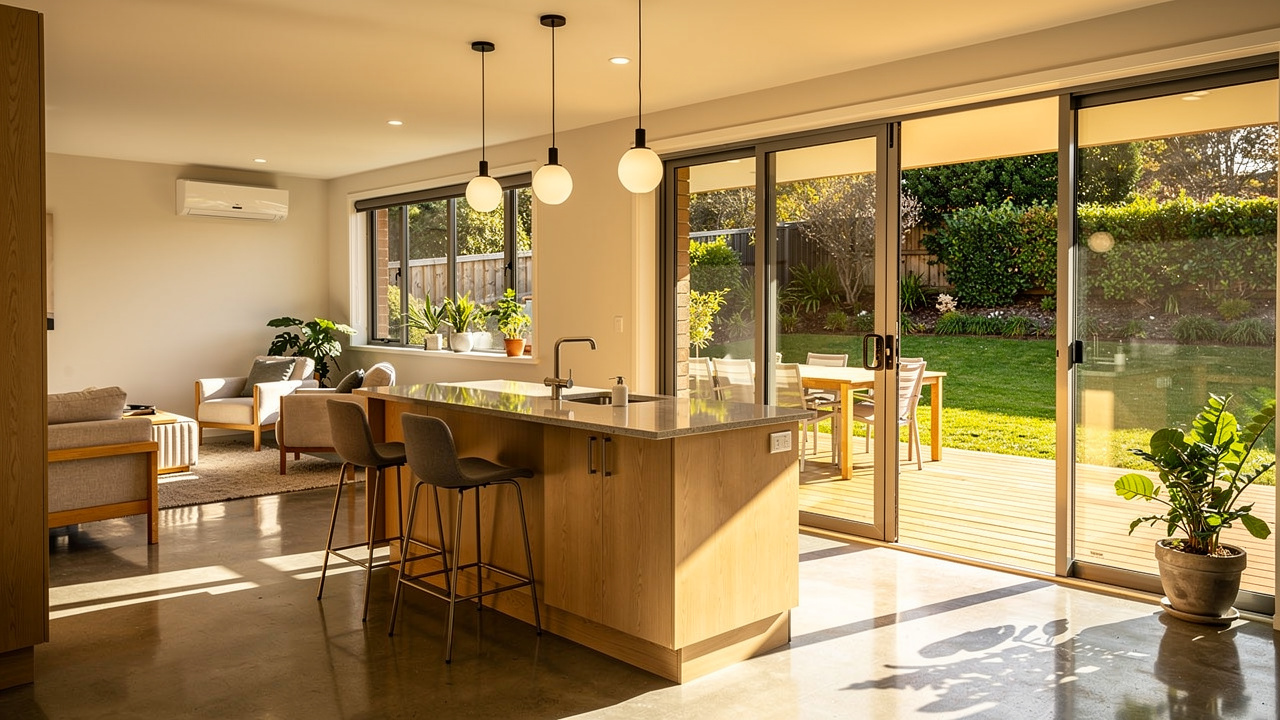
A flexible home loan is one that adapts to your real-life income, expenses, and plans — not just the rate advertised on a billboard. Rate is only one part of that story.
Here are features that matter a lot in a jumpy economy.
1. Easy Extra Repayments
Look for:
The option to pay more than the minimum on both fixed and floating portions
Decent extra‑payment limits on fixed loans (not just $250 a month or 10%)
No penalty for making extra payments on floating or offset loans
Extra payments during good years can take thousands off the total interest you pay and help you fully own your property much sooner, but be extra careful if the bank shortens the loan term and locks you into a shorter period.
2. Ability To Reduce Repayments If You Need To
Real life happens. You might:
Go on parental leave
Change jobs
Start a business
Good flexible loans allow you to:
Drop repayments back down if you’ve had them higher
Stretch the remaining term a little to lower the monthly amount
Switch parts of the loan from floating back to fixed or vice versa
You don’t want to be pushed into expensive short‑term debt (like credit cards) because your home loan cannot adjust.
3. Redraw Facilities
With redraw:
You pay extra off your home loan
Those extra amounts reduce your interest immediately
If life throws a curveball, you can redraw some of that extra money
Key questions to ask:
Is redraw allowed on this product?
Is there a fee per redraw?
Is there a minimum redraw amount?
Redraw gives you a simple emergency buffer while still shrinking your mortgage whenever you can.
4. Offset Accounts
Offset home loans link your everyday and savings accounts to your mortgage so you pay interest only on the net amount (loan minus savings). These can be one of the most helpful tools for first‑home buyers in 2026. We’ll go deeper on offsets in the next section below.
5. Revolving Credit
Revolving credit works like a large overdraft:
Your entire income lands in the account
The balance dropping each payday cuts your interest bill
You spend from that account during the month
Used well, it can help you pay off your mortgage fast. Used badly, it can keep your balance high for years. Banks often suggest a combination of revolving credit and fixed loans but for many first home buyers the Offset home loans are a better choice.
6. Portability And Top‑Ups
Life plans change. A flexible loan in 2026 often lets you:
Take the loan with you when you move (portability), instead of breaking and starting again
Top up your loan to add things that define an energy-efficient, future-ready home — like better insulation, solar panels, or a minor dwelling
Ask the lender:
How easy is it to port my loan to a new place?
Can I top up for renovations or energy upgrades and what package is offered?
These options make it easier to keep your home feeling modern and efficient as years pass.
Offset Accounts: One Of The Smartest Tools For First‑Home Buyers

Offset loans are still under-used in New Zealand, but for many first‑home buyers they can be a big help.
Right now the main banks offering true offset accounts are BNZ, Kiwibank, and Westpac. If your current bank doesn’t offer an offset, they’re unlikely to bring it up — which means you might never hear about a feature that could save you thousands. A Mortgage Managers adviser can compare these options for you and explain how each bank’s offset works.
How Offset Home Loans Work
With an offset mortgage:
Your home loan sits on a floating rate
You link one or more everyday and savings accounts to that loan
Each day, the bank calculates interest on loan balance – linked account balances
Example:
Home loan: $600,000
Total money in linked accounts: $20,000
You pay interest on: $580,000, not $600,000
Instead of earning low interest that is also taxed in savings accounts, your money quietly cuts the interest on your mortgage. Keep your repayments at the same level, and that difference goes straight into paying down principal faster.
That kind of structure can help you reach 20% equity faster, which is an important milestone for many buyers using low‑deposit lending.

If you’re trying to buy a well-structured property with less than a 20% deposit, an offset loan can:
Help reduce the extra interest margin banks often charge on high‑LVR loans
Shorten the time you pay those higher margins
Give you flexibility if your savings go up and down
You can read more about offset loans here or speak with a Mortgage Managers adviser who can run the numbers for your situation.
Who Offset Loans Suit Best
Offset loans tend to work well if you:
Keep several thousand dollars across your accounts most of the time
Have variable income (commission, bonuses, self‑employment)
Want strong flexibility without using a revolving credit for everything
For some buyers, putting part of the loan on offset and the rest on fixed gives a good blend of certainty and flexibility.
Revolving Credit And Redraw: Flexibility With Discipline
Revolving credit and redraw are two distinct tools that give first-home buyers extra control over their mortgage repayments. They work differently and suit different personalities.
Revolving Credit
Revolving credit is:
A big overdraft linked to your home loan
Usually on a floating rate
Designed for your income to land in and expenses to flow out
Because interest is calculated daily, every day your balance is lower, you pay less interest. If you live slightly below your means and resist the urge to spend up to the limit, it can shrink your mortgage quickly.
But it’s not for everyone. Risks include:
Treating the limit as “spare” money
Letting the balance sit high because spending creeps up
Paying more interest than a simple fixed‑plus‑offset structure would have cost
Tip: If you choose revolving credit, set a target balance for each month and track it. If your balance keeps drifting upward, review the setup before it becomes a problem.
Redraw Facilities
Redraw is simpler:
Your home loan is set up as a term loan (fixed or floating)
You pay extra off the loan when you can
Those extra payments reduce your interest straight away
Later, if something big happens (car replacement, health event), you can redraw some of that extra
Redraw can suit buyers who:
Like structure
Want to avoid the temptation of a big revolving credit limit
Still want access to extra cash if something serious happens
A good mortgage adviser — such as those at Mortgage Managers — can help you decide whether revolving credit, redraw, or a mix fits your habits and your goal of fully owning your home without feeling constantly stressed.
Kiwi First Home Buyers also has more information that walk through these options in plain language, which can help you arrive at those conversations better prepared.
How The Best Home In 2026 Influences Your Loan Choice
The best home in 2026 is not just a roof. It’s a place that:
Stays warm and dry with low power bills
Has smart use of space and good storage
Offers indoor‑outdoor living that suits Kiwi life
Uses materials that age well, not ones that look tired in five years
Those features don’t just make life nicer — they also affect how your loan behaves over time.
Energy Efficiency And Running Costs
Homes with:
Quality insulation and double or triple glazing
Modern heat pumps or other efficient heating
Solar panels or wiring ready for solar
Good ventilation systems
often have lower monthly running costs. That matters for your loan because:
Lower power bills free up cash for extra mortgage payments
You’re less likely to feel squeezed when interest rates rise
Lenders often view warm, efficient homes as more attractive security
If you buy an older place and want to upgrade it to an energy-efficient standard, consider:
A loan that allows top‑ups for insulation, windows, and heating
Floating or offset portions where extra payments are easy during renovation phases
Layout And Future‑Proofing
Trends shaping a well-designed home in 2026 include:
Open, functional living/kitchen/dining spaces
Flexible rooms that can switch between office, bedroom, or hobby room
Good outdoor living with covered decks or patios
Storage that actually works: pantries, decent laundries, garages that fit real cars
Why this matters for your mortgage:
Homes with these features often hold value better, which supports your equity position
Resale is usually easier if you need to move for work or family
If you plan to add a minor dwelling or granny flat later, a flexible loan that supports top‑ups or construction phases can help you create an ideal multigenerational living setup
When you’re comparing properties, don’t just ask “Can I get a loan for this place?” Ask: “Does this home have the bones to still work well for us in five or ten years?” Then match the loan structure to that plan.
Low‑Deposit Schemes In 2026 (New Zealand)

Many first‑home buyers in 2026 use government‑backed options or KiwiSaver to get started. These can work well, but they don’t replace the need for a smart, flexible loan structure.
Here are the main pieces to know about.
KiwiSaver First Home Withdrawal
If you’ve been in KiwiSaver long enough, you may be able to withdraw most of your balance to use as part of your deposit.
Key points:
You usually must leave a small minimum in the account
Not every provider handles the process the same way
Your solicitor and provider need time to process paperwork, so apply early
Using KiwiSaver can help you get into your first home sooner, but remember that you’re using part of your retirement savings now, so the loan you take should help you pay down debt steadily.
First Home Loan (Low‑Deposit Lending)
Some lenders offer low‑deposit mortgages backed by the Government (through Kāinga Ora) for eligible buyers.
Things to watch:
Higher deposit test: even with support, banks still review your income and spending closely
You might pay slightly higher interest or extra fees
Flexibility features (like offset or revolving credit) might not be available on every low‑deposit product
If you’re using any of these schemes, it’s even more important to talk with an adviser who understands both the rules and which banks can still give you a flexible, future‑friendly loan.
Shared Home Ownership
There are a few shared‑ownership style programs where the company owns a share of the property with you. Many are provided by the property developer and therefore you have limited options of homes and maybe paying too much for them, and for this reason the option that is most popular with mortgage advisers is where you use YouOwn which is a commercial operator with set rules.
In that kind of structure the advantages are:
You can select almost any home (brand new or existing)
You’ll have an extra agreement with YouOwn about when and how you buy out their share – usually in 5-years and at market value
You still want a loan that gives you ways to pay extra so you can increase your ownership share over time
How To Compare Banks And Non‑Bank Lenders In 2026
Comparing home loan options in 2026 means looking beyond the headline rate — two loans with the same rate can behave very differently when life changes.
When you talk to a bank or broker, ask:
What flexible features does this product have?
Extra repayments limits
Offset or redraw options
Ability to switch between fixed and floating
How easy is it to make changes?
Can you adjust repayments in your app?
Do you have to sign paper forms for every small change?
What happens at refix time?
Do they just send a letter with a couple of options?
Will someone help you rethink your structure as your life changes?
Do you offer offset accounts?
If yes, which home loan products can use them?
If no, why not — and what’s the closest alternative?
If I want to buy with a low deposit, what changes?
Extra margins on the rate
Restrictions on interest‑only periods
Any added conditions
“Rate is what you see on the billboard. Structure is what decides whether your loan still feels safe when the economy wobbles.”
— Mortgage Managers advisers
Independent mortgage advisers see offers from multiple lenders, so they can point out when a slightly higher rate might come with much better features. Sometimes, paying a tiny bit more in rate now can save you far more through smart flexibility later.
Why Ongoing Advice Matters After You Move In

Most people spend weeks comparing phones or cars — and then almost no time reviewing the loan for the home that costs hundreds of thousands more.
Yet your mortgage is probably:
Your biggest debt
Your biggest monthly outgoing
The main thing between you and truly owning your home outright

Here’s what ongoing advice can help with:
Refix strategy: When a fixed rate ends, you don’t have to accept the first option the bank emails you. You can rethink how much to fix, how long for, and how much to keep floating or in offset.
Life changes: New job, kids, business, or moving cities all affect the best loan structure.
Rate cycles: When rates fall, you may want more floating or shorter terms. When they rise, you may value certainty more.
Regular check‑ins — even once a year — can stop small issues from growing into big stresses. They also help you keep using your loan flexibly so that ups and downs don’t cost you the home you worked so hard to buy.
The team at Mortgage Managers can talk through the options with you, alongside the resources from Kiwi First Home Buyers, so you’re not trying to figure this out alone.
Conclusion: Choosing The Best Home Loan In 2026
The best home in 2026 is warm, efficient, and suited to how you live. The best home loan in 2026 is the one that:
Gives you a fair rate
Lets you pay extra when you can
Lets you lower repayments when life changes
Offers smart tools like offset, redraw, or revolving credit where they fit
Works smoothly with KiwiSaver, First Home Grants, and other support you use
Banks advertise rates. What really matters in a volatile year is flexibility.
Before you sign anything:
Think about what your ideal property looks like — not just now, but in five or ten years
Match the loan structure to that picture, not just to today’s budget
Get advice from someone who can explain the differences in plain language
That extra effort at the start can save you years off your mortgage and help you keep your home through whatever the economy throws at you.

FAQs
What Is The Best Home Loan For First‑Home Buyers In 2026?
There isn’t one single “best” loan for everyone. For most New Zealand first‑home buyers in 2026, a good setup often includes:
A mix of fixed and floating rates
The option of an offset or redraw facility
Reasonable extra‑payment limits on fixed loans
The ability to adjust repayments if income changes
Your ideal loan will match your property plan and your comfort with risk — whether you’re buying a small, warm townhouse or a larger place that needs upgrades.
Is It Better To Fix Or Float My Loan In 2026?
In 2026, many buyers choose to fix most of the loan for certainty and keep a smaller portion floating for flexibility.
Fixing brings repayment stability
Floating makes it easier to pay extra or react to rate changes
The exact split depends on your income, savings habits, and how tight your budget is. An adviser can run different scenarios so you can see what fits your situation.
How Much Can An Offset Account Really Save Me?
The savings from an offset loan depend on:
Your loan size
How much money you usually keep in linked accounts
The interest rate and how long you keep the structure
You can link multiple bank accounts to your Offset and even a combined amount of $5,000–$10,000 average balance can knock thousands of dollars off total interest over the life of the loan. It’s important to understand that every dollar that you have in a linked bank account saves your interest cost, and therefore that saving is used to pay the principal – ie paying off the loan balance faster.
This kind of saving can pay for improvements that make your property more comfortable and efficient — like better heating, insulation, or outdoor living upgrades.
Should I Use Revolving Credit As A First‑Home Buyer?
Revolving credit can be helpful if you:
Keep tight control of your spending
Like seeing money go in and out of one main account
Want maximum flexibility to pay extra whenever you can
Firstly, if you have less than 20% deposit then you may not be offered a revolving credit account.
If you are but you tend to spend whatever is in your account, a revolving credit limit may work against you. In that case, redraw or offset accounts, paired with fixed loans, might serve you better on the path to fully owning your home.
A good mortgage adviser can help you with revolving credit accounts.
How Often Should I Review My Home Loan?
A good rule of thumb is to review your loan:
At least once a year
Any time a fixed term is coming up for renewal
Whenever a major life event happens (new job, baby, separation, business start‑up, or big renovation)
Regular reviews keep your loan structure aligned with both your current life and your longer‑term goal of keeping your home and building equity beyond 2026.
You can also ask your mortgage adviser to help you review your home loans any time regardless. Sometimes you might have heard something on the news or read something on social media. It’s good to have a financial adviser that you can reach out to anytime.
Does The Best Home In 2026 Have To Be A New Build?
Not at all. The best home in 2026 might be:
A new build that already meets high efficiency standards
An older home with solid bones that you gradually upgrade
A unit or townhouse in a good location with great light and layout
What matters is how it feels to live in and how it fits your budget with the right loan structure. With a flexible mortgage and a smart upgrade plan, an older home can absolutely become the right place for you in 2026 and well beyond.